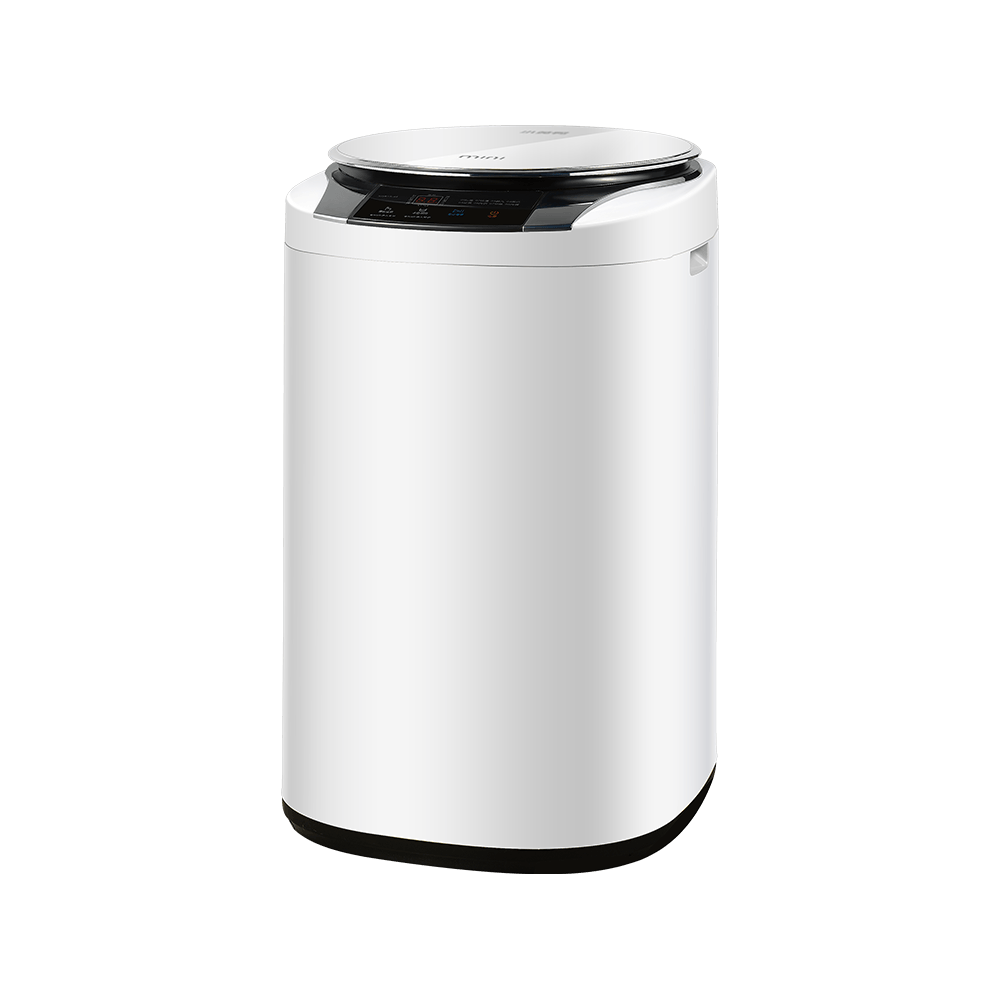
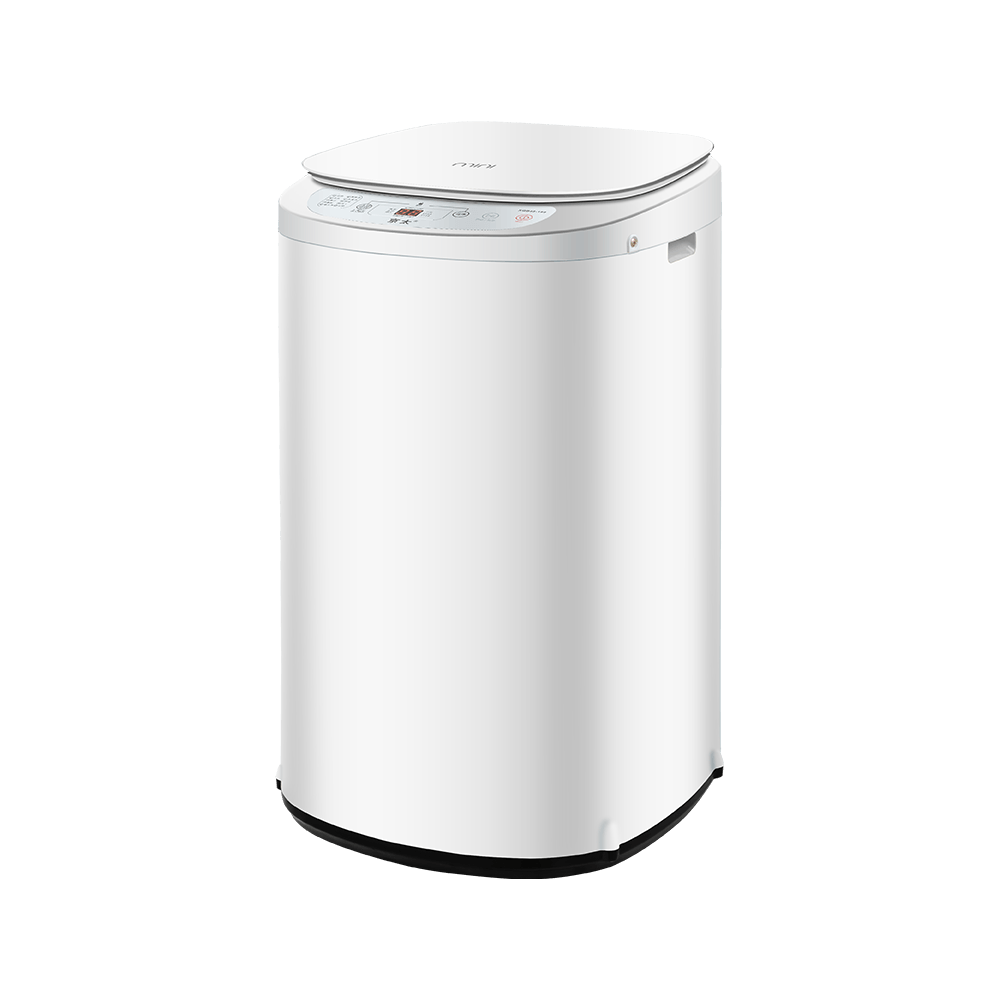
Deploying a fully automatic high temperature washing machine provides an uncompromising mechanical solution for residential, healthcare, and hospitality environments requiring strict pathogen eradication and deep allergen extraction. By combining automated micro-processing cycles with integrated high-output heating elements capable of maintaining water temperatures between 60°C and 95°C, these machines eliminate the reliance on aggressive chemical additives to achieve sanitization. This advanced thermal architecture delivers a closed-loop decontamination system that achieves a 99.99% reduction of common bacterial strains and dust mites, outperforming traditional cold-water chemical wash cycles while preserving fabric tensile strength over extended processing lifecycles.
In modern laundry management, achieving true sanitization requires balancing thermal exposure, mechanical agitation, and water conservation. Legacy standard washing systems rely heavily on surfactants and chlorine-based bleaches, which strip textile dyes, degrade elastane fibers, and leave chemical residues that can cause contact dermatitis. Transitioning to a fully automated high-temperature system removes human error from the cycle selection process, managing water heating, precise dosing, and spinning phases through a unified electronic control module to ensure consistent results across varying load sizes.
The cleaning performance of a high-temperature washing machine depends on its specialized component design. Sustaining water temperatures near the boiling point requires heavy-duty thermal insulation, precise sensors, and corrosion-resistant alloys.
The core of the thermal engine consists of an electric tubular heating element, typically rated between 1800W and 2200W, submerged within the outer wash tub. This element must rapidly elevate water temperatures during the primary wash phase. To prevent mineral scaling and chemical pitting caused by hard water and detergents, these elements are encased in premium nickel-chromium alloys, ensuring long-term thermal transfer efficiency without structural failure.
To prevent heat loss and protect surrounding cabinetry, high-temperature machines use a dual-layer tub assembly. The inner drum is stamped from high-grade stainless steel, which withstands thermal expansion without warping. The outer tub is wrapped in a high-density, heat-resistant composite material or fiberglass insulation blanket. This layout retains heat inside the drum, cutting overall energy consumption during prolonged sanitization cycles.
Choosing the right appliance setup requires evaluating long-term sanitization performance, utility costs, and fiber degradation rates. The table below outlines the differences between high-temperature automatic systems and standard ambient-water washing methods.
| Operational Parameter | High Temperature System (60°C - 95°C) | Standard Cold Platform (15°C - 30°C) |
|---|---|---|
| Pathogen and Allergen Reduction Rate | 99.99% (Thermal Denaturation) | 20% - 40% (Dependent on Chemicals) |
| Sebum and Organic Oil Dissolution | Immediate (Exceeds Lipid Melting Point) | Slow (Requires Heavy Surfactants) |
| Chemical Detergent Dosing Requisite | Minimal (Heat Powers Soil Release) | High (Relies on Bleach and Enzymes) |
| Average Energy Consumption Per Cycle | 1.5 - 2.2 kWh (Due to Water Heating) | 0.2 - 0.4 kWh (Ambient Water) |
| Total Processing Cycle Duration | 90 - 150 Minutes (Includes Heating Phase) | 45 - 75 Minutes |
This comparative performance breakdown highlights the trade-offs involved in cycle optimization. While cold-water washing consumes less electricity per run, it cannot melt heavy lipid stains or kill fungal spores without large amounts of chemical sanitizers. High-temperature washing requires more energy upfront to heat the water, but it achieves deep sanitization through thermal energy alone, reducing long-term fabric damage from chemical additives.
The cleaning efficacy of a high-temperature automatic wash cycle relies on the direct relationship between thermal energy and molecular bonding. High heat modifies both the structural state of the organic soil and the cell walls of target microorganisms.
Operating a fully automatic high-temperature washing cycle requires a coordinated sequence of automated processes to ensure thorough cleaning while protecting the user from scalding hazards.
Running frequent high-temperature wash cycles accelerates the precipitation of calcium carbonate and magnesium ions out of the water supply, requiring regular maintenance to prevent component failure.
When hard water is heated above 60°C, dissolved minerals crystallize and form a hard scale layer over the heating element. This scale acts as an thermal insulator, forcing the element to run hotter to heat the water, which can cause premature element burnout. To combat this, operators should run an empty monthly maintenance cycle using an organic descaling agent, such as citric acid, at 90°C to dissolve mineral buildup and keep the heating system operating efficiently.
The flexible bellows gasket around the loading door faces significant thermal stress during high-temperature operations. Premium machines utilize ethylene propylene diene monomer (EPDM) rubber gaskets, which resist cracking and parsing under high heat. Users should wipe down the inner folds of the gasket after the final cycle of the day to remove pooled water and lint, leaving the door slightly ajar to let residual moisture evaporate completely.

Xqb45-188hm [Conception de grande capacité pour répond... Voir plus
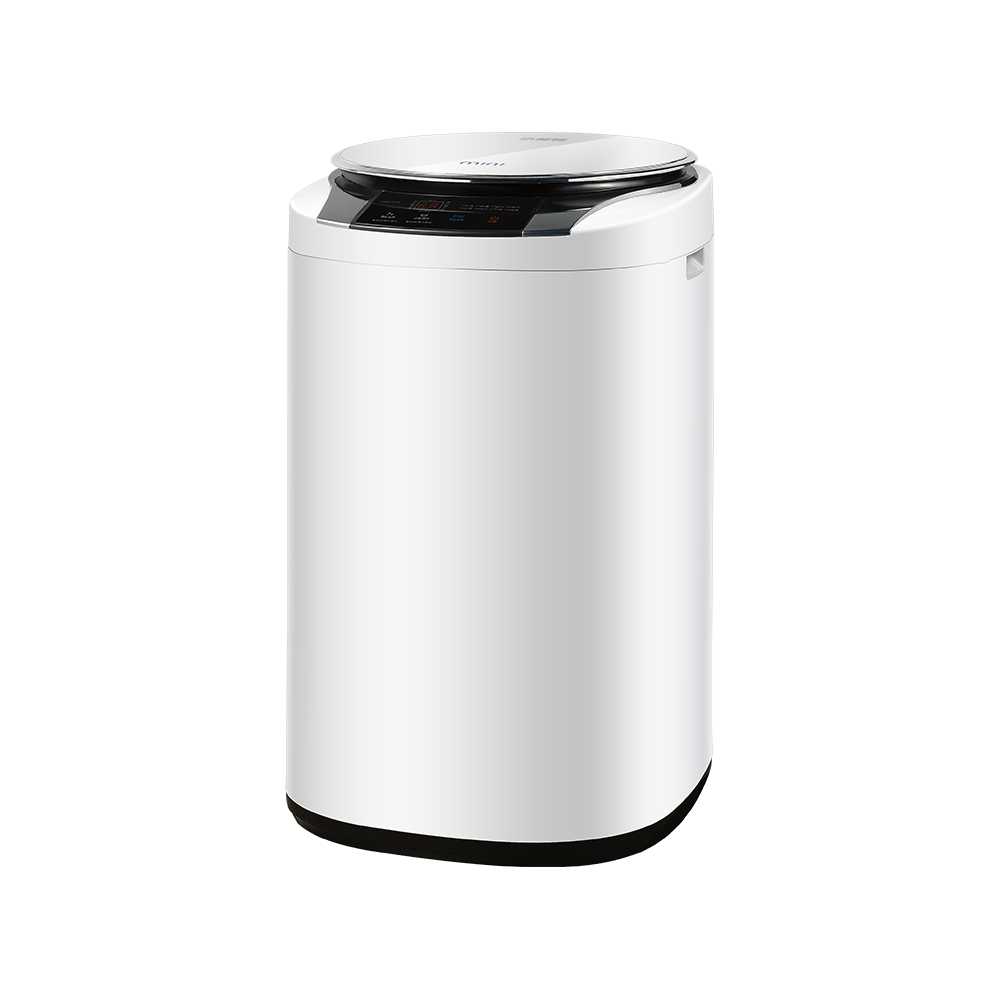
Xqb35-166hm [Apparence de montre à la mode, élégamment... Voir plus

Xqb35-188hm Cette machine à laver est basée sur une te... Voir plus
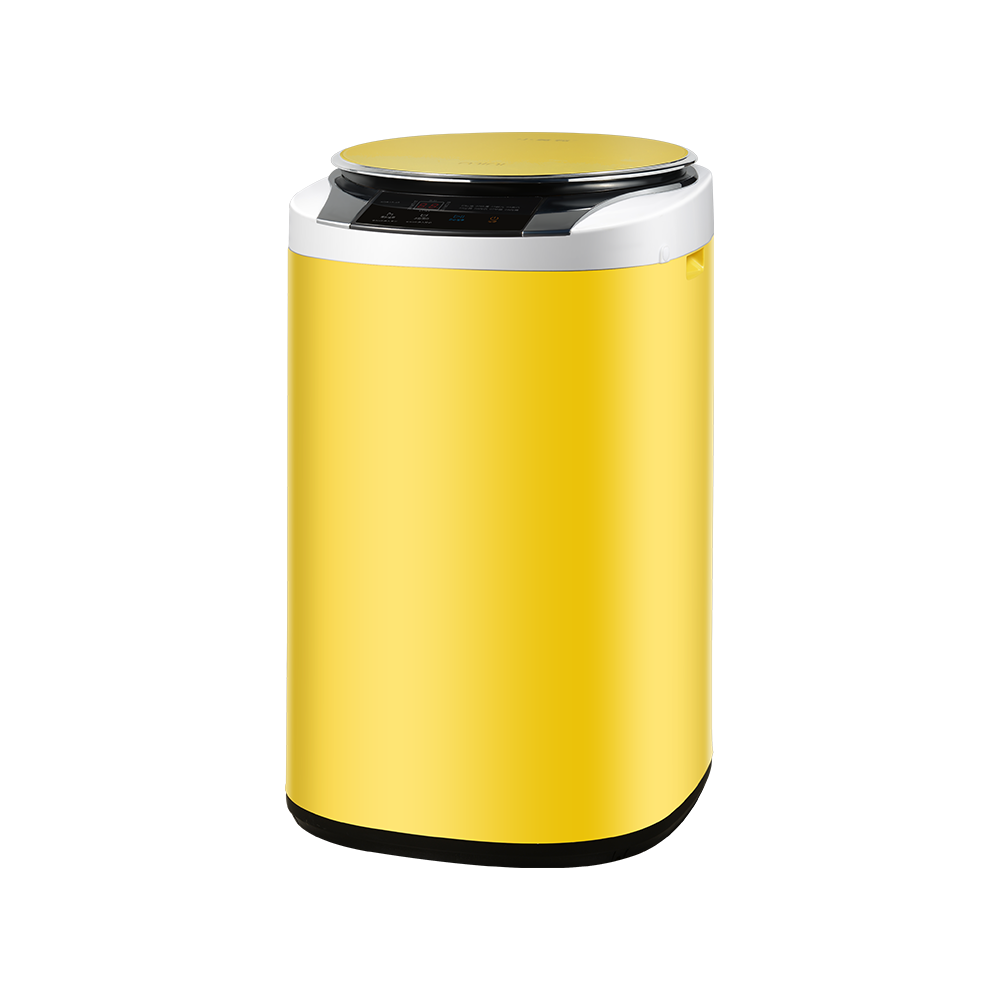
Xqb35-655m Diriger une nouvelle tendance de lavage sai... Voir plus

 Add: No.27 Hongwei Road, East Industrial Park, Guanhaiwei Town, Cixi City, Province du Zhejiang, Chine
 Tel: +86-18520338190
 Tel: 400-8488-955
 Email: [email protected]